
Who doesn’t enjoy watching grown men in their underwear pretend to fight? I know I do. Professional wrestling might be America’s greatest export next to jazz and Flamin’ Hot Cheetos. Combining intense action with bombastic bravado, these fictitious bouts offer a dizzying display of athleticism, showmanship, and storytelling.
While it’s an open secret that the results of these contests are predetermined, wrestlers were once so committed to the craft that they developed their own language to keep the average fan from learning that the fight they were seeing was less than legitimate. That language, known as “kayfabe,” is an ever-evolving list of insider terms wrestlers and promoters use around fans and folks outside of the business in order to hold conversations without tipping off the tricks of the trade.
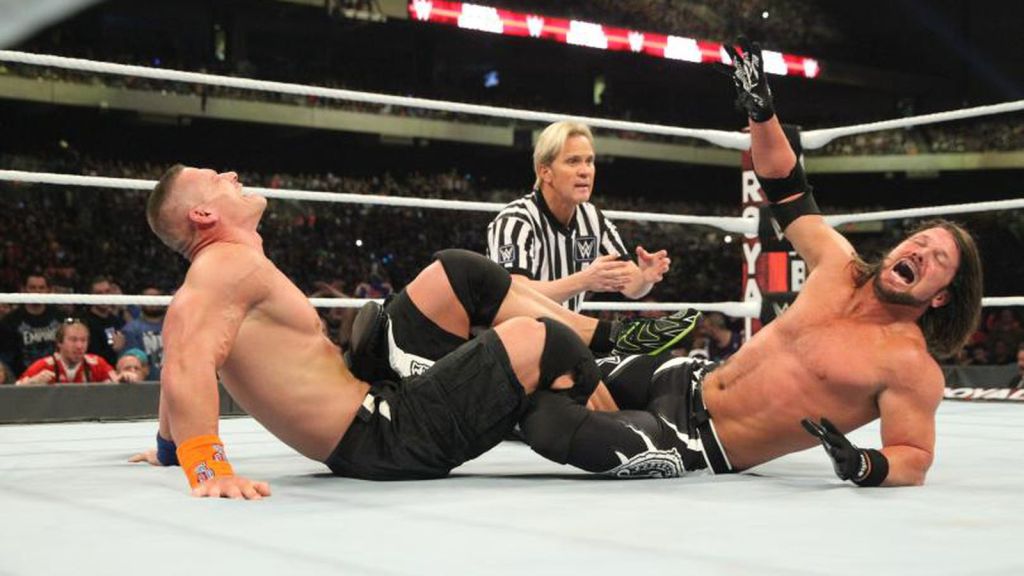
The use of kayfabe has fallen out of favor since the internet boom of the mid-90s when fans were able to trade tapes of their favorite wrestling matches and share information about the industry. It also allowed for performers to communicate directly with fans and share more about their real lives, further eroding the facade of genuine fights.
Still, many of these terms are used today, with wrestlers often incorporating the language into their interviews and matches. So while it may not be the best idea to challenge a professional wrestler’s ability to actually brawl, these insider idioms will make you sound like the next Stone Cold Steve Austin:
Angle – When it comes to a match, the angle serves as the story and the reason for an audience to get invested. Who are these people? What are they fighting about and why? A well-executed angle can make a good match great and remembered long after the bell rings.
Botch – A mistake. While wrestlers make every effort to put on a believable performance, things can go awry. Anything from a kick that doesn’t quite connect to not kicking out of a pin when they’re supposed to would be considered a botch. Sometimes, a botch can work in the performer’s favor. Legendary grappler Jake “The Snake” Roberts invented his devestating finisher known as the “DDT” after accidentally tripping over his opponent, driving his head dramatically to the canvas.
Crimson Mask – When an opponent bleeds so much that their face is covered in a veil of red. Wrestlers will either use a concealed razor blade or, less commonly, have their opponent hit them for real (known as “hardway”) in order to generate blood. Properly used, a crimson mask can provide a dramatic, visceral image while keeping the performer relatively safe.
Face/Heel – The face is the good guy while the heel is the bad guy. Modern wrestling often blurs the line between the two, but traditionally, the audience buys a ticket to see their hero overcome the dastardly heel. While a face rarely resorts to underhanded tactics such as cheating, a heel does whatever it takes to win, even if it means losing on purpose via disqualification to keep their championship.
Gimmick – A wrestler’s gimmick is the character they play on screen and in the ring. This could range anywhere from someone turning their natural personality up to 11, to a completely fabricated background or alter ego. The Undertaker isn’t really a mortician that can summon the power of lightning, but it gets your attention. Conversely, wrestlers like Bryan Danielson rely solely on their technical skill and ability on the microphone rather than an outlandish identity.

Promo – The interview or talking segments. Arguably as important as technical ability, a wrestler will perform or “cut” a promo as to why they’re the greatest or what they’ll do to their opponent in the ring. Promos provide an opportunity to show off a wrestler’s personality and give fans a reason to invest their time and money in the story being told.
Lucha Libre – Simply put, Mexican professional wrestling. Lucha libre offers absolutely electric fights that incorporate high-flying, acrobatic action often performed under a mask which is rarely, if ever, taken off. The tradition is taken so seriously that if a mask accidentally comes loose during a match, the wrestler’s opponent will shield their face and cameras will point away from the action as to respect the performer’s privacy. Modern wrestling in the United States owes a large portion of its success to the luchadores who introduced exciting new moves and story elements to an international audience.
Work/Shoot – A work is any fictional element to the story of a match. For example, a wrestler can “break the leg” of an opponent in order to write them out of a storyline so they can take time to heal from injuries or vacation with family. A shoot is anything that’s real and not part of the story. It could be as simple as someone getting legitmately punched in the face to acknowledging an off-screen event such as a marriage or arrest. Today’s wrestlers are much more comfortable discussing the nature of the business with fans and will often conduct “shoot interviews” where they talk candidly about their career out of character.
Mark/Smark – Tradionally, a mark is someone who believes profressional wrestling is real while a smark (a “smart” fan) knows the compeition is fake, but allows for the suspension of disblief so they can enjoy the show. Some wrestlers don’t appreciate smark fans who use insider terms, but hey, I had a deadline and needed to write about something.

 Kevin David Creative
Leave a comment